Huntington Ingalls Industries’ USS Zumwalt Completes Sea Trials as U.S. Navy’s First Hypersonic Strike Destroyer
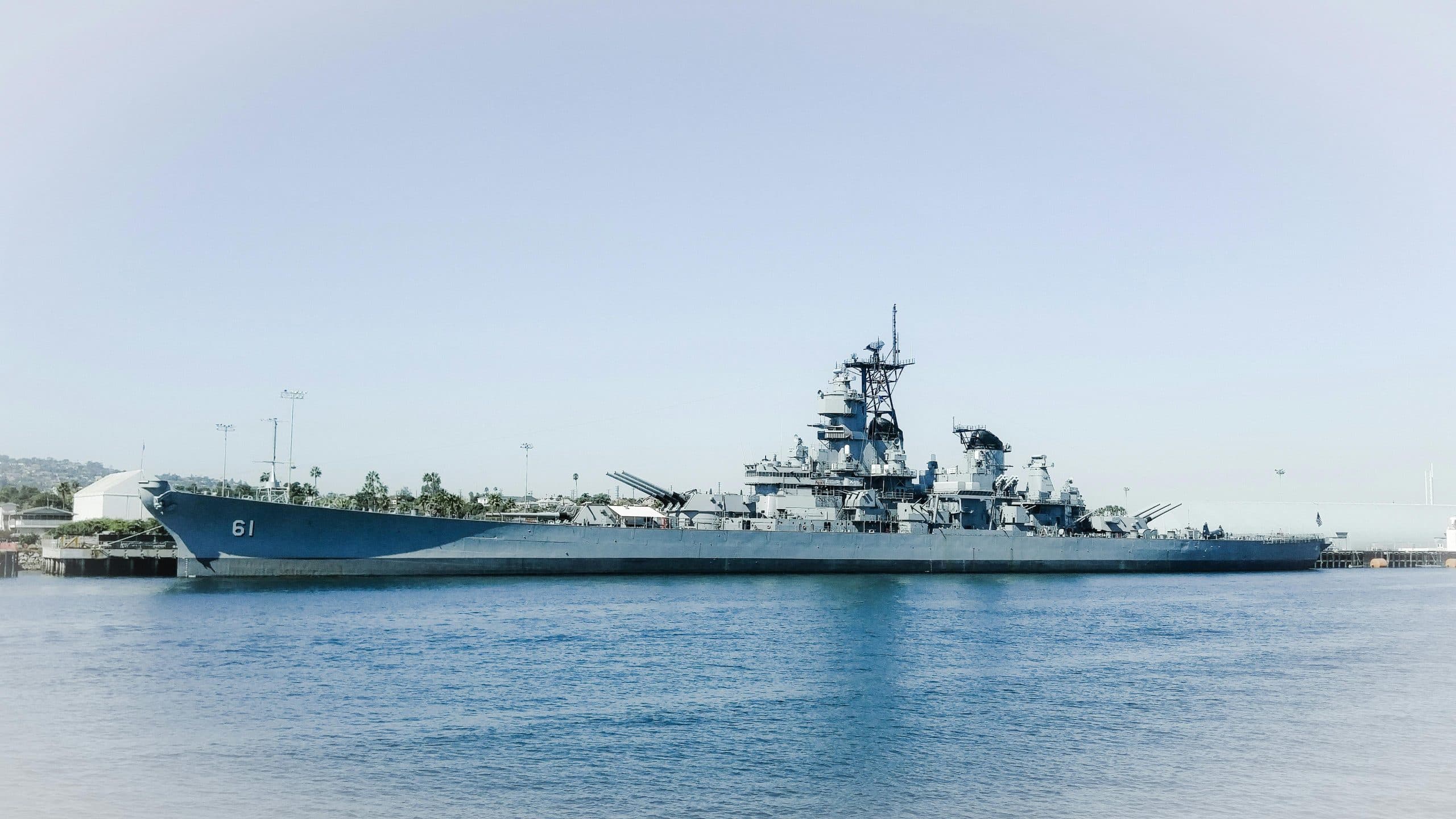
Huntington Ingalls Industries (HII) has confirmed the successful builder’s sea trials for the USS Zumwalt (DDG 1000), marking its transformation from a stealth gun cruiser into the U.S. Navy’s first surface warship purpose-built for hypersonic strike missions. The conversion, which replaced the ship’s twin 155mm guns with launchers for Mach 5+ Conventional Prompt Strike (CPS) missiles, validates a radical redesign to counter advanced adversaries in contested waters.
The most futuristic and controversial warship in the U.S. fleet has just been reborn with a new, razor-sharp mission. The USS Zumwalt, once envisioned as a stealthy shore-bombardment vessel, has successfully completed its first sea trials after a dramatic, years-long metamorphosis at HII’s Ingalls Shipbuilding yard in Pascagoula, Mississippi. According to a report by defense analyst Teoman S. Nicanci of the Army Recognition Group, this milestone is far more than a return to service; it’s the at-sea validation of the Navy’s decision to convert its three Zumwalt-class destroyers into the world’s first dedicated surface-based hypersonic strike platforms.
So, what exactly changed? The ship’s most distinctive features—its two massive Advanced Gun Systems (AGS)—are now gone. In their place, engineers have integrated the Conventional Prompt Strike (CPS) weapon system, a hypersonic missile that uses a rocket booster to launch a maneuverable glide body at speeds exceeding Mach 5. This swap fundamentally redefines the ship’s role. Instead of providing naval gunfire support, the Zumwalt is now a long-range, precision-strike asset designed to hold high-value, time-sensitive targets at risk from over 1,000 miles away, all while leveraging its low-observable “stealth” design to operate closer to enemy coastlines.
The scale of the modification was immense. As detailed in the Army Recognition Group analysis, the ship was actually moved onto land at the Pascagoula yard to facilitate major structural changes to its internal spaces and hull. This was necessary to accommodate the large-diameter vertical launch cells required for the CPS missiles. The recent builder’s trials, conducted jointly by HII and the U.S. Navy, tested the ship’s propulsion, power generation, and hull integrity after this massive surgery, ensuring the radical new systems are integrated with the vessel’s pioneering Integrated Electric Propulsion architecture.
Strategically, this conversion solves two problems. First, it gives the U.S. Navy a survivable, forward-deployed hypersonic strike option that doesn’t rely on vulnerable land bases or submarines. Second, it finally provides a clear and powerful mission for the Zumwalt class, a $22 billion program that struggled with cost overruns and unclear purpose after its advanced long-range ammunition was canceled. “The completion of builder’s sea trials validates the at-sea outcome of a modernization effort that began with Zumwalt’s arrival in Pascagoula in August 2023 and culminated in a fundamental redefinition of its combat role,” writes analyst Teoman S. Nicanci.
The tactical implications are profound. A CPS-armed Zumwalt could act as a mobile “shoot-and-scoot” node in the early stages of a conflict, using its stealth and maritime maneuver to complicate an adversary’s targeting calculus. However, the large size of the hypersonic weapons means the ship will carry a limited magazine, emphasizing its role as a precision instrument for high-impact strikes rather than a volume fires platform. Its success paves the way for its sister ships, the USS Michael Monsoor and USS Lyndon B. Johnson, to undergo identical conversions, forming a small but formidable squadron of hypersonic-capable surface combatants.
With this transformation, the Zumwalt is no longer a solution in search of a problem. It has become a concrete and potent piece of the Pentagon’s strategy for distributed, long-range strike in an era of great power competition—a stealthy ghost ship now armed with the fastest missiles in the U.S. surface fleet.