Trump and US Air Force Bolster Middle East Posture with Drills as Iran Tensions Mount
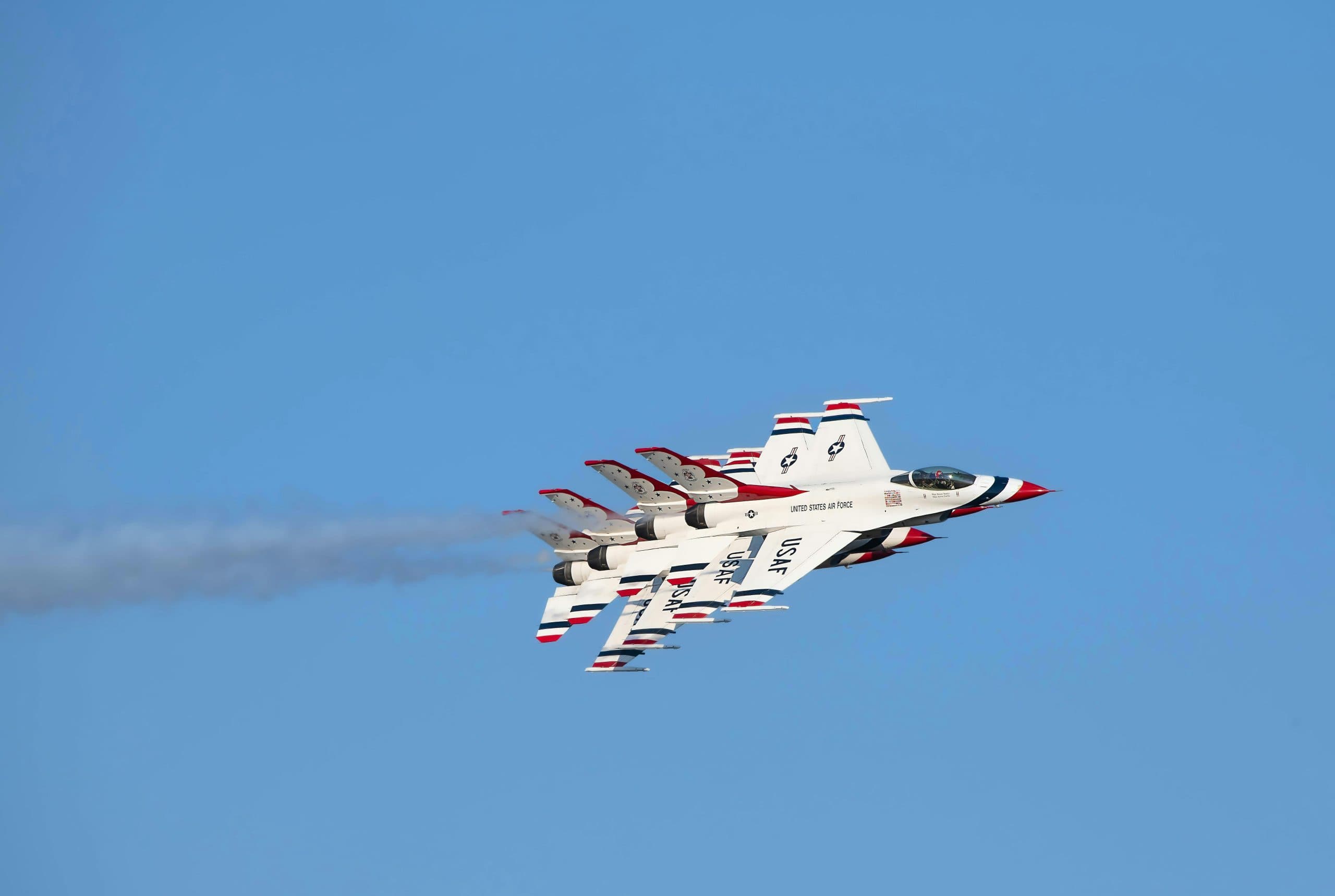
US President Donald Trump renewed threats of military action against Iran while US Air Forces Central Command launched multi-day readiness drills in the region, sharpening the ability to deploy rapidly and sustain operations. The show of force coincides with the arrival of the USS Abraham Lincoln carrier strike group, amplifying Washington’s pressure campaign amid a stalemate over Iran’s nuclear program and its domestic crackdown.
The skies over the Middle East are serving as a backdrop for a high-stakes game of brinkmanship. This week, U.S. Air Forces Central Command (AFCENT) initiated a multi-day air exercise designed to test and showcase its capacity for rapid deployment and sustained operations from dispersed locations. According to a statement reported by CNN, the drills aim to ensure “air power remains ready when and where it is needed,” operating with a minimal footprint alongside regional partners.
These maneuvers unfold against a drumbeat of stark warnings from the White House. President Donald Trump reiterated his threat from last week, posting on Truth Social that “time is running out” for Iran to negotiate a new nuclear deal. He warned that if Tehran does not come to the table, “the next attack will be far worse” than previous U.S. strikes, referencing an “armada” he claims is en route. This rhetoric, coupled with the military exercises, signals a deliberate escalation in Washington’s maximum pressure campaign.
Iranian officials have responded with defiance and caution. Foreign Minister Abbas Araghchi stated the country’s armed forces are prepared to respond “immediately and powerfully” to any aggression. Yet, he also reiterated Iran’s openness to a “fair and equitable” agreement. Deputy Foreign Minister Kazem Gharibabadi clarified that no direct talks are occurring, only indirect messages, and insisted the U.S. must “stop making threats” if it desires diplomacy.
The tension is rooted in the 2018 collapse of the 2015 nuclear deal, after which the U.S. reimposed crushing sanctions. The situation has been supercharged by Iran’s brutal suppression of recent anti-government protests. A report by the U.S.-based Human Rights Activists News Agency (HRANA), cited by CNN, estimates over 5,800 protesters have been killed, a figure the Iranian government has acknowledged involves thousands. Trump has repeatedly warned against killing protesters, threatening intervention.
The military dimension is visibly intensifying. Central Command (CENTCOM) confirmed the USS Abraham Lincoln carrier strike group has arrived in the region. While the exact location and duration of the ongoing air drills were not specified, they are conducted with host nation approval, emphasizing “safety, precision and respect for sovereignty.” However, key U.S. allies like the United Arab Emirates and Saudi Arabia have recently stated they will not allow their airspace or bases to be used for offensive action against Iran.
In Tehran, the regime’s rhetoric matches its military posture. Government posters in the capital graphically threaten the destruction of American carriers, and officials warn any attack would risk destabilizing the entire region. Brig. Gen. Ahmad Vahidi of the Islamic Revolution Guards Corps (IRGC) claimed Iran’s defense capabilities make military action “extremely complex and high-risk” for adversaries.
Meanwhile, in Brussels, European Union states are facing growing pressure to designate the IRGC as a terrorist organization following its role in suppressing protests. French Foreign Minister Jean-Noël Barrot voiced support for the measure, underscoring the international dimension of the crisis.
As drills continue and diplomats exchange indirect messages, the region holds its breath. The U.S. military is visibly honing its edge, while the Iranian military promises fierce retaliation. The path forward hangs between a resumption of diplomacy and the very real possibility of a miscalculation that could ignite a wider conflict.