Ukrainian Firm Skyeton Sends World's First Hydrogen-Powered Combat Drone into Battle
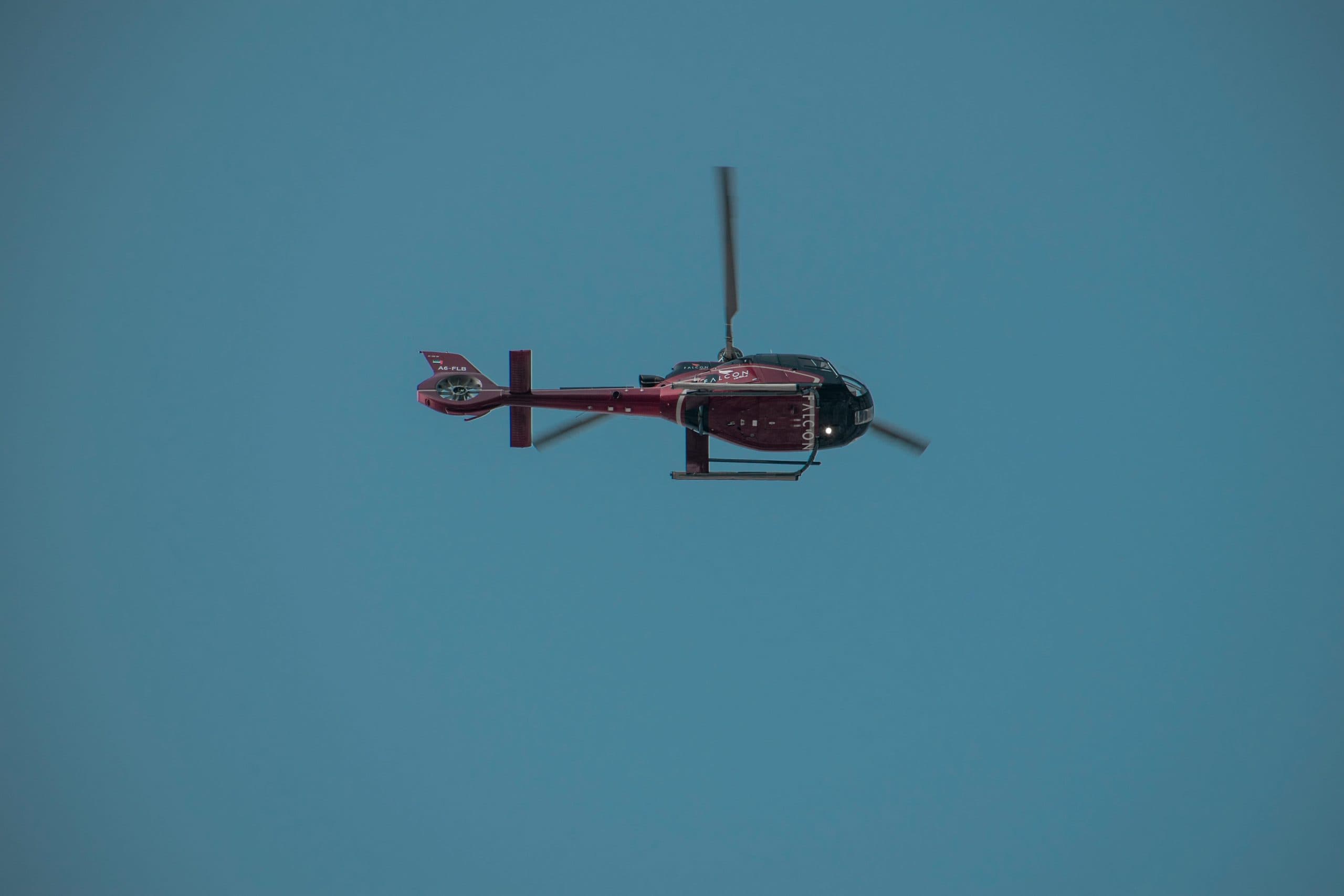
Ukraine has deployed the world’s first hybrid hydrogen-powered drone into an active combat zone, a milestone in military technology. The Raybird reconnaissance drone, developed by Ukrainian company Skyeton, utilizes hydrogen fuel cells to achieve 12 hours of endurance with a low heat and noise signature, marking a significant shift from experimental prototypes to frontline operational use.
In a quiet but significant revolution on the modern battlefield, a new type of drone has taken to the skies over Ukraine. For the first time ever, a hydrogen-powered unmanned aerial vehicle (UAV) has been deployed for full-scale combat duty. The drone, a variant of the Raybird model built by Ukrainian firm Skyeton, represents a leap from laboratory concept to active warzone, potentially altering the logistics and capabilities of aerial reconnaissance.
Hydrogen drones are not a brand-new idea; prototypes have existed for nearly two decades. However, they have largely remained as technology demonstrators. Systems like the Israeli-US Heven AeroTech Z1 are designed for front-line use but haven’t yet seen deployment. This makes Skyeton’s achievement a genuine world first, moving hydrogen power from the testing ground directly into the harsh realities of combat.
“The Raybird is the first hydrogen drone sent into combat,” stated the company. According to Skyeton, this variant has been fundamentally redesigned to accommodate its hybrid hydrogen system. The craft uses hydrogen to generate electricity, which then powers quiet electric motors for thrust. This setup offers critical tactical advantages: it’s significantly quieter than drones with four-stroke engines and has a negligible heat signature, making it much harder for enemy forces to detect and track.
The technical specifications are tailored for deep, long-range missions. With a 51 lb (23 kg) takeoff weight and a wingspan of up to 15 ft (4.7 m), the Raybird can carry a 22 lb (10 kg) payload of radar and sensors at a cruising speed of 68 mph (110 km/h). Its standout feature is an endurance of 12 hours, a duration vital for complex reconnaissance tasks.
“Maintaining a balance of these characteristics is vital for us,” said Roman Knyazhenko, CEO of Skyeton. He explained that the goal was to merge the reliability of electric motors with the long flight times previously only possible with hydrocarbon fuels.
According to Skyeton’s announcement, reported by New Atlas, the drone is unarmed, dedicated solely to intelligence, surveillance, and reconnaissance (ISR). Its design also emphasizes practicality for wartime production, being built for mass manufacture. Hydrogen is supplied via interchangeable cartridges or field generating units, offering logistical flexibility for military units.
“We have converted two years of laboratory testing into a new aircraft concept,” Knyazhenko said, highlighting the transition from protracted R&D to a functional combat asset. This deployment in Ukraine provides real-world data on the durability, logistics, and tactical value of hydrogen propulsion under fire—insights that were previously theoretical.
The arrival of the hydrogen-powered Raybird on the front lines is more than a technical footnote. It signals a shift towards alternative energy sources in military tech, driven by the need for longer endurance and lower detectability. As militaries worldwide watch, Ukraine’s use of this pioneering technology could very well chart the course for the next generation of unmanned aerial systems.