Putin Holds First Talks With Iranian and Israeli Leaders as Mass Protests and U.S. Threats Roil Region
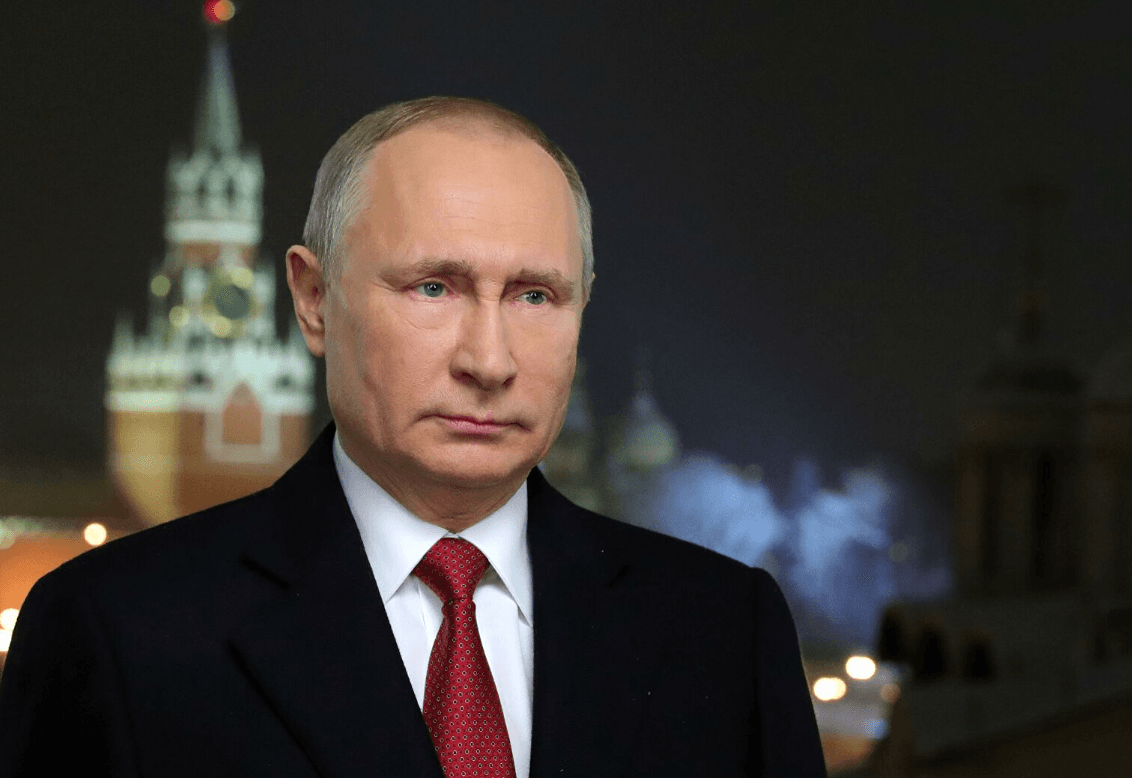
Russian President Vladimir Putin held separate phone calls with Iranian President Masoud Pezeshkian and Israeli Prime Minister Benjamin Netanyahu on Friday, positioning Moscow as a diplomatic mediator amid explosive tensions involving mass Iranian protests, U.S. military threats, and regional instability. The calls mark Putin’s first public engagement on the crisis as his government accuses Washington of escalating the situation.
In a single day of high-stakes diplomacy, the Kremlin attempted to cast itself as the steady hand in a Middle East teetering on the brink. President Vladimir Putin broke his recent public silence on Iran’s turmoil, speaking directly with leaders on both sides of a volatile divide. The conversations come as Iran reels from nationwide protests over soaring inflation, met with a brutal government crackdown that a U.S.-based rights group says has killed at least 2,677 people. Meanwhile, U.S. President Donald Trump had threatened military action, telling Tehran the U.S. was “locked and loaded” if violence against protesters continued—a threat he has since walked back.
According to the Kremlin, Putin’s call with Iranian President Masoud Pezeshkian was part of “continued efforts” to de-escalate tensions between Washington and Tehran. Top spokesman Dmitry Peskov framed Russia’s role as essential, stating, “This is assistance not only to Iran, but to the entire region, as well as to the cause of regional stability and peace.” This move aligns with Russia’s longstanding support for Iran, a key ally in the region. The timing is critical, following accusations from Russia’s UN envoy Vassily Nebenzia, who dismissed the Iranian protests as “yet another example of the use of tried and tested methods of ‘color revolutions’”—a term the Kremlin uses to describe Western-backed political upheavals.
The parallel call with Israeli Prime Minister Benjamin Netanyahu served a different, yet connected, purpose. The Kremlin readout stated Putin “outlined fundamental approaches in favor of intensifying political and diplomatic steps” and confirmed Russia’s readiness to continue mediation. This dual outreach attempts to position Moscow as a unique broker with access to all sides, even as it openly sides with Iran against what it calls American “hysteria.” The New York Times reported that Netanyahu had separately warned Trump against launching strikes on Iran, highlighting the complex web of behind-the-scenes diplomacy.
For Putin, these calls are a strategic assertion of relevance. He has remained largely quiet in recent weeks as allies Iran and Venezuela faced intense pressure from the Trump administration. By stepping in now, he reinforces Russia’s role as a counterweight to U.S. influence, offering Tehran diplomatic cover while cautiously engaging with Israel to manage the security fallout. The crisis presents both risk and opportunity: a chance to showcase Russian diplomacy, but also the peril of being drawn into a direct U.S.-Iran confrontation it cannot control.
The backdrop of these calls remains the desperate situation inside Iran, where a government-imposed internet blackout has obscured the full scale of the unrest. While Trump’s direct military threats have momentarily subsided, the underlying conditions—economic despair, state violence, and geopolitical maneuvering—ensure the crisis is far from over. In this volatile mix, Putin’s phone diplomacy is less about providing immediate solutions and more about securing Russia’s seat at the table, ensuring that whatever comes next, Moscow will have a voice in shaping the outcome.