Israeli Air Force CH-53 Drops Stricken UH-60 in Dramatic Sling-Load Mishap Caught on Video
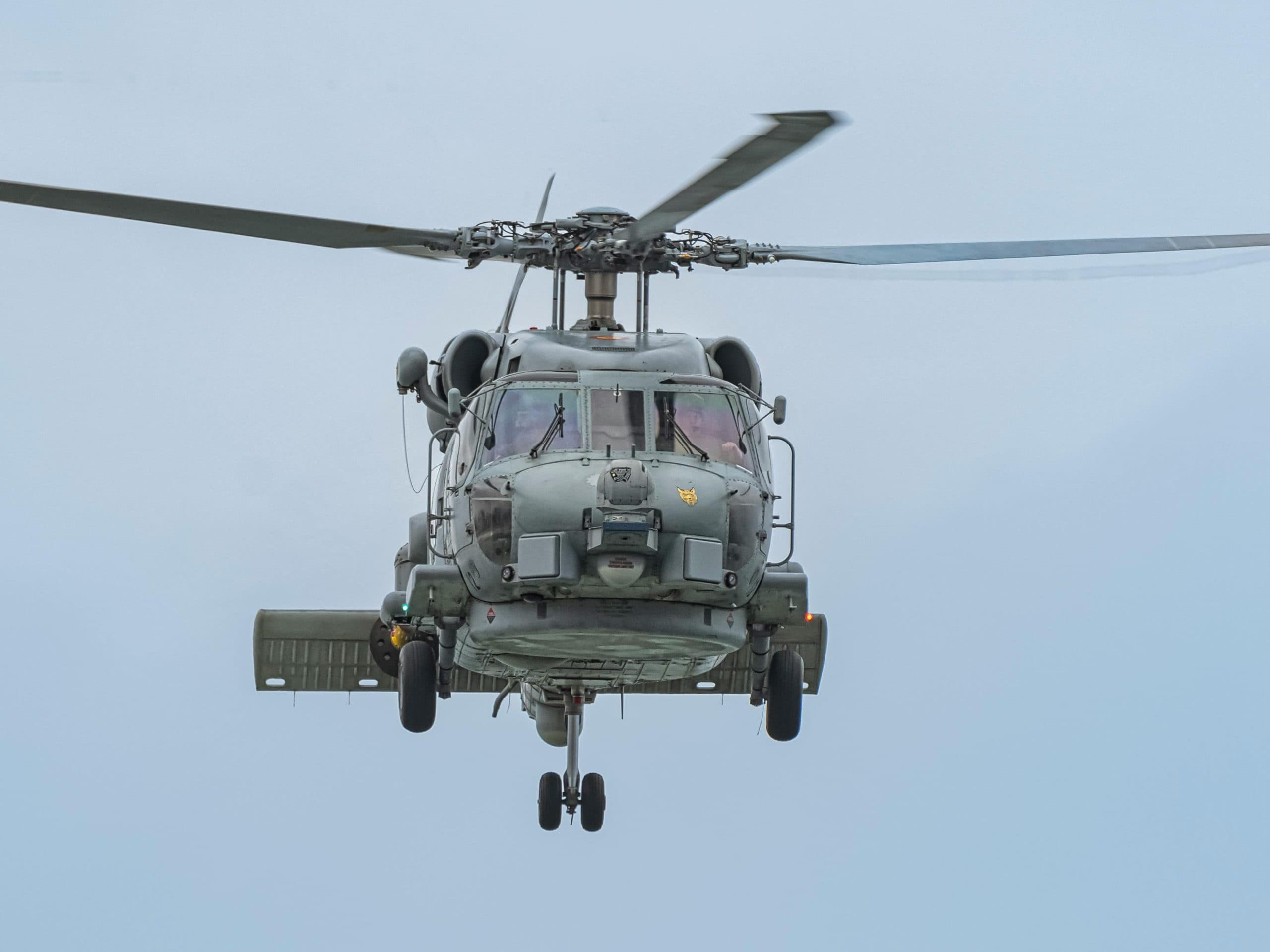
A CH-53 Yasur heavy-lift helicopter attempting to airlift a disabled UH-60 Yanshuf in the West Bank was caught on video as the sling-load failed, sending the Black Hawk careening into rocky terrain. The Israeli Air Force (IAF) confirmed the mishap during a recovery mission, reporting no injuries but highlighting the extreme difficulty of airborne salvage operations.
Video footage that looks more like a scene from an action movie than a standard military procedure has surfaced online, showing the tense moment an airlift goes terribly wrong. A massive IAF CH-53 Sea Stallion helicopter, known locally as the Yasur, is seen flying with a UH-60 Black Hawk (Yanshuf) dangling beneath it on a long sling. Suddenly, the smaller helicopter detaches, plunging sideways to the ground in a cloud of dust. According to the Israel Defense Forces (IDF), this dramatic failure occurred during a mission to recover a Yanshuf that had made a precautionary landing earlier in the week due to bad weather near Gush Etzion, south of Jerusalem.
The IDF stated that the Yasur had been dispatched to retrieve the stranded aircraft using the sling-load method—a standard but high-risk procedure. While the exact cause of the failure is under investigation, the result was clear: the Black Hawk was dropped. Subsequent images show the Yanshuf lying on its side with its tail boom severed, though the fuselage appears largely intact. Remarkably, no crew members from either helicopter or anyone on the ground was hurt. Maj. Gen. Tomer Bar, the commander of the IAF, has ordered a formal military investigative committee to determine what went wrong.
Sling-load operations are a ballet of physics and precision, never to be taken lightly. They require meticulous planning around the weight of the load, the rigging setup, and even the aerodynamic posture of the aircraft being carried. As reported by The War Zone, which published the initial video, pilots have procedures to jettison a sling load if it begins to oscillate dangerously or if the transport helicopter experiences a problem. It is not yet clear if the CH-53 crew commanded a deliberate release or if a component of the sling system failed.
The incident puts a spotlight on the aging IAF Yasur fleet, which has been in service since 1969. These workhorses, upgraded over the decades to the Yasur 2025 standard, are notoriously difficult to maintain and have a history of recent technical issues and emergency landings. Their primary role is troop transport and critical combat search-and-rescue missions, often carrying elite units like Unit 669. The IAF is keenly aware of the fleet’s limitations and has already selected its successor: the modern CH-53K King Stallion, which Israel has named the Onager.
An order for 12 CH-53K helicopters at a cost of around $2 billion was confirmed in 2021. The K model offers vastly superior lift capacity—able to carry over 27,000 pounds externally for 110 nautical miles in hot conditions, compared to the older CH-53E’s capability of less than 10,000 pounds over the same distance. This enhanced performance is seen as essential for future operations, including precisely the kind of long-range, heavy-lift recovery mission that failed this week.
For now, the investigation will pore over data and footage to learn from the mishap. Such events, while unfortunate, are rigorous tests of procedures and equipment. They underscore a stark reality: even routine military operations are fraught with risk, and the margin for error when one helicopter carries another through the sky is vanishingly thin. The IAF will be counting the days until its new CH-53K fleet arrives, bringing with it more power and, hopefully, a greater margin of safety for the demanding missions ahead.