Italian Shipbuilder Fincantieri Launches Navy's Advanced 'Quirinale' Research Vessel
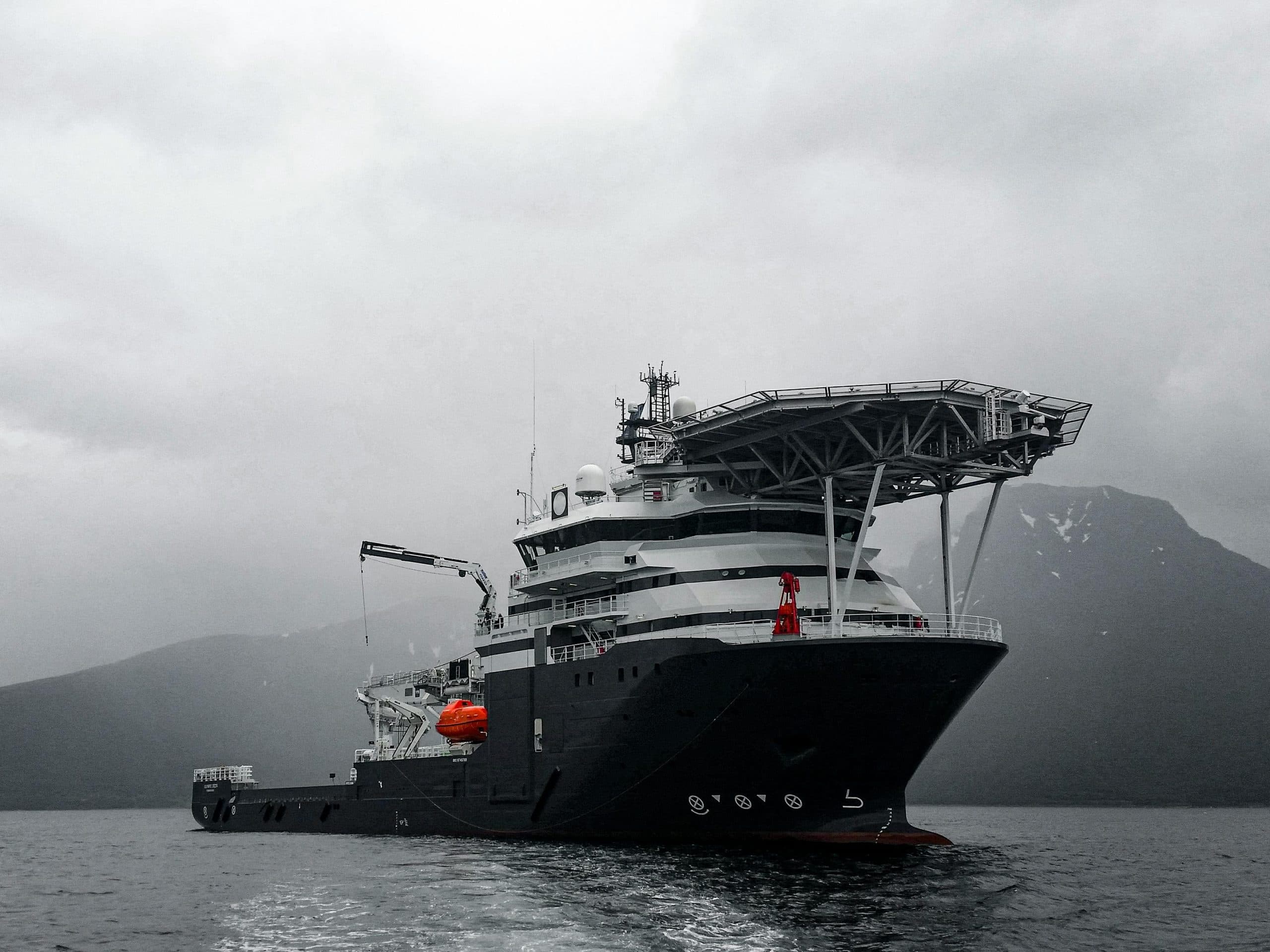
Italian shipbuilding giant Fincantieri has launched the new hydro-oceanographic vessel “Quirinale” for the Italian Navy, a 110-meter, 6,000-ton platform equipped with cutting-edge sensors and autonomous vehicles for mapping and monitoring the world’s oceans. Designed with a strong focus on environmental sustainability, the vessel will operate in extreme cold and support the Italian Hydrographic Institute’s critical scientific missions.
In a significant boost to maritime research and security, Fincantieri has launched the Italian Navy’s newest and most advanced survey ship, the “Quirinale.” The ceremony took place at the company’s storied Riva Trigoso shipyard in northwestern Italy, marking a major milestone in the nation’s oceanographic capabilities. This sophisticated vessel is not a warship in the traditional sense, but a floating laboratory destined to paint a clearer picture of the underwater world.
With a length of approximately 110 meters (361 feet) and a displacement of around 6,000 tons, the Quirinale is a substantial platform capable of accommodating up to 140 crew members and scientists. Its mission profile is extensive: detailed seabed mapping, oceanographic data collection, and geophysical analysis. To execute these tasks, it comes packed with a suite of modern hydrographic, oceanographic, and geophysical instruments. Furthermore, it can deploy a team of autonomous underwater and surface vehicles, expanding its reach and data-gathering prowess without risking human divers.
Remarkably, the vessel is built to operate in harsh environments, with specifications allowing for operations in temperatures as low as -16 degrees Celsius (3 degrees Fahrenheit). This capability ensures it can conduct research in polar regions or deep-sea trenches. For precise data collection, it features a dynamic positioning system that holds the ship steady against currents and wind, alongside specialized lifting systems for handling delicate scientific equipment.
Fincantieri emphasized that sustainability was a core design principle. The company stated the vessel incorporates “emission reduction measures, diesel-electric propulsion, optimized hull forms, and low-impact materials.” In a release, the shipbuilder noted: “A new unit, designed with the utmost attention to environmental sustainability, that confirms our role as a strategic partner of the Italian Navy, underscoring our commitment towards a safer, more innovative, and more sustainable future.”
The launch of the Quirinale is part of a broader push by Fincantieri to advance Italy’s naval and underwater technology portfolio. Just last month, the company delivered a multi-role supply ship to the Italian Navy, which will undergo further refitting at the Fincantieri shipyard in Palermo to enhance its underwater operation capabilities. This activity is channeled through a dedicated Underwater Technology Hub, highlighting a strategic focus on the undersea domain.
This focus was further underscored in October 2025, when Fincantieri unveiled a new autonomous underwater system named DEEP. As reported in company announcements, the system is designed to protect critical seabed infrastructure like cables and pipelines, and to secure ports and coastal areas. DEEP integrates an underwater early-warning sensor network with a command-and-control hub and employs a squad of autonomous vehicles for missions ranging from reconnaissance to environmental monitoring.
The introduction of the Quirinale therefore represents more than a single ship launch; it signifies Italy’s integrated investment in maritime domain awareness. From the surface, with this new flagship of research, to the depths, with autonomous drone systems, Fincantieri is providing the Italian Navy with the tools to better understand, protect, and operate across the vital, yet often invisible, undersea frontier.