British Army's Challenger 3 Main Battle Tank Fires New Gun in Historic First Trials
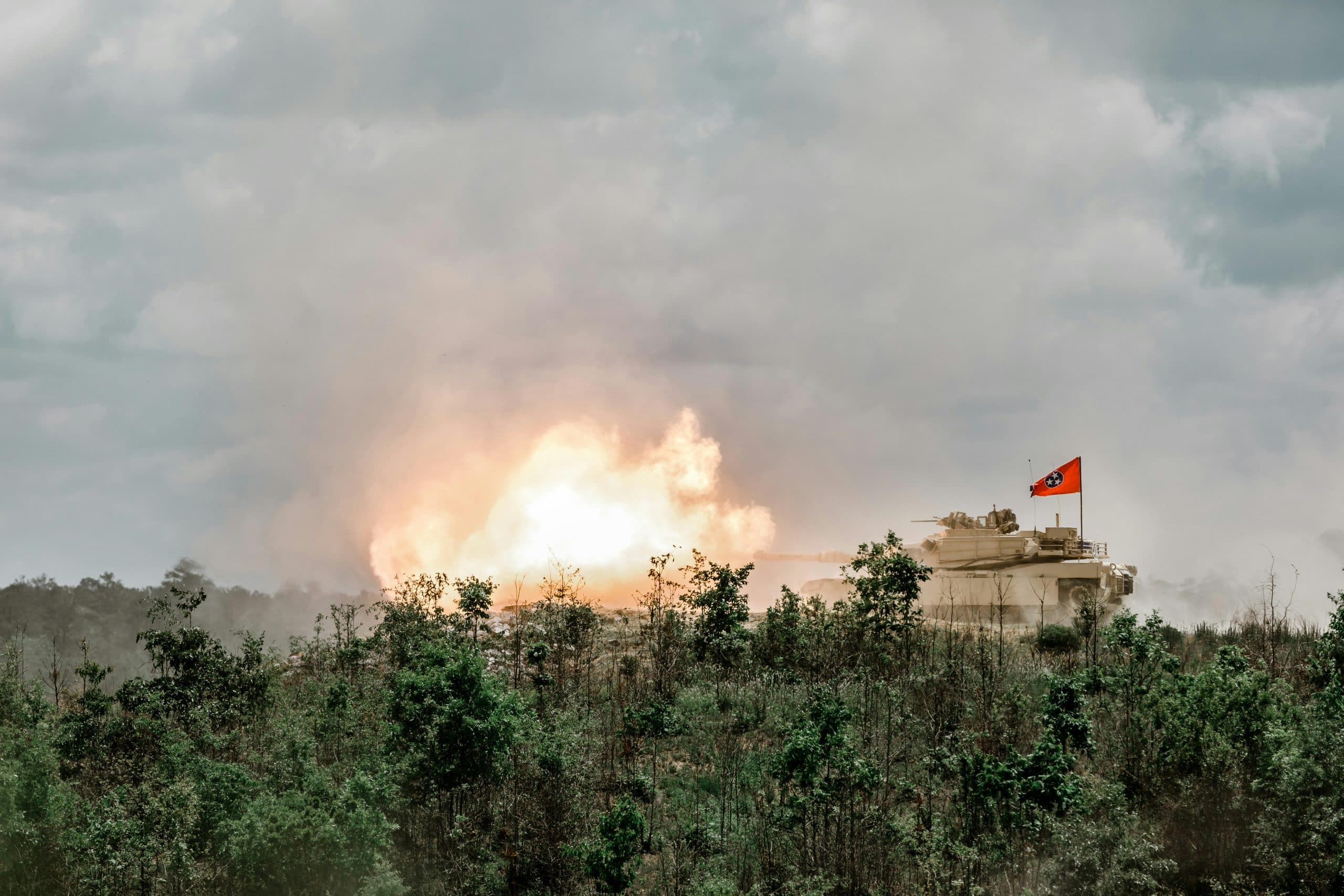
Rheinmetall BAE Systems Land (RBSL) has successfully conducted the first live-fire trials of the new Challenger 3 main battle tank, a £800 million ($1 billion) program that will deliver the British Army’s first new tank in over 30 years. This critical milestone, reported by The War Zone, signals a major step toward the tank’s planned 2027 service entry and a British pivot back to heavy armor.
For the first time in three decades, the roar of a new main battle tank’s main gun has echoed across a British test range. The Challenger 3 prototype, developed by the joint venture Rheinmetall BAE Systems Land (RBSL), has begun its firing trials, marking a pivotal moment for the U.K.’s armored forces. Why does this matter now? With the war in Ukraine highlighting the enduring, if vulnerable, role of the tank, Britain is moving to modernize its aging fleet to counter resurgent threats, particularly from Russia.
The heart of this upgrade is a brand-new 120mm L55A1 smoothbore gun from Rheinmetall, replacing the unique rifled gun on the current Challenger 2. This shift is a game-changer for interoperability. “Firing the vehicle first remotely and then with a crew in the turret reflects the enormous amount of work that has gone into ensuring the design is safe, robust, and ready,” stated Rebecca Richards, Managing Director of RBSL. This new cannon allows the Challenger 3 to fire standard NATO ammunition, including advanced armor-piercing fin-stabilized discarding sabot (APFSDS) rounds, simplifying logistics and boosting firepower.
But raw power isn’t the only upgrade. The move to single-piece NATO rounds does mean the tank carries 31 rounds, down from 49 in the Challenger 2. However, this ammunition is now stored in a safer, isolated bustle at the turret rear to protect the crew. The tank’s “digitized turret,” according to The War Zone, features the same Thales Orion and Day/Night Gunner Sight (DNGS T3) optics used on the Ajax vehicle, creating a high-tech hunter-killer suite designed for rapid target engagement.
Survivability gets a massive boost with two key systems. First is a new modular armor (nMA) package that can be fitted as needed, including side and belly plates. Second is the integration of the Trophy Active Protection System (APS), an Israeli-made hard-kill system that uses radar to detect and shoot down incoming anti-tank missiles and rockets. It’s a crucial layer of defense in an era of ubiquitous drone and missile threats.
Mobility improvements are handled under the Heavy Armor Automotive Improvement Project (HAAIP), which overhauls the engine, suspension, and cooling systems. Yet, a significant challenge remains: weight. The Challenger 3 will be even heavier than the already hefty Challenger 2, which tips the scales at over 82 tons, but without a more powerful engine. This has historically impacted strategic mobility and serviceability.
The broader context is equally complex. The Challenger 3 is intended to be the “digitized backbone” of new Brigade Combat Teams, but only 148 Challenger 2s are slated for conversion. Furthermore, its planned companion, the Ajax reconnaissance vehicle, is mired in controversy over noise injuries and tactical incompatibility, raising questions about how these systems will work together effectively.
Despite these hurdles, the successful firing trial is a undeniable signal of progress. After years where the British tank corps faced an uncertain future, the Challenger 3 program ensures the U.K. retains a modern, lethal armored fist. It represents a direct response to a more dangerous world, proving that reports of the tank’s obsolescence have been greatly exaggerated. The road to 2027 will involve more rigorous testing, but for now, the Challenger 3 has officially announced its arrival with a bang.